Odissi (ଓଡ଼ିଶୀ) is one of the oldest classical dance forms of India, originating in the Hindu temples of Odisha. With its fluid movements, sculptural poses, and emotional expressions, Odissi is often called "mobile sculpture."
Origins
Odissi dance has roots going back 2,000 years:
- 2nd century BCE — Dance poses in Udayagiri-Khandagiri caves
- Medieval period — Temple sculpture and inscriptions across Odisha depict and mention dancers
- 12th century CE — Flourished in Jagannath Temple, Puri
- Late 1940s–1950s — Reconstruction and revival as a classical form after colonial-era decline
"Every temple sculpture in Odisha tells a story of dance frozen in stone."
The Three Traditions
Odissi evolved from three distinct traditions:
- Mahari — Temple dancers dedicated to Lord Jagannath
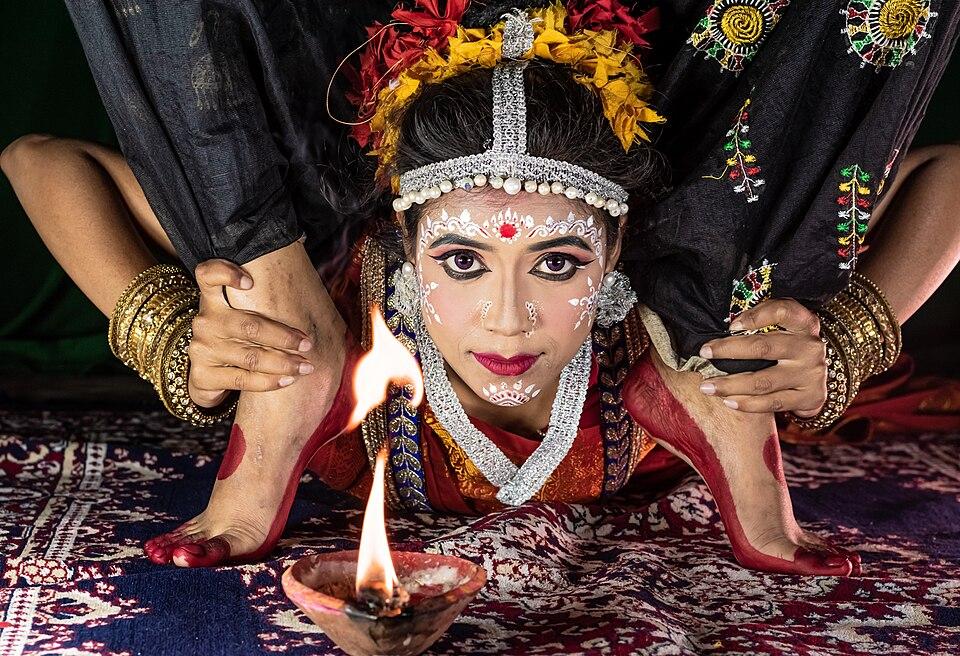
- Gotipua — Young boys dressed as women, performing acrobatics
- Nartaki — Court dancers in royal palaces
Key Elements
Tribhangi (Three Bends)
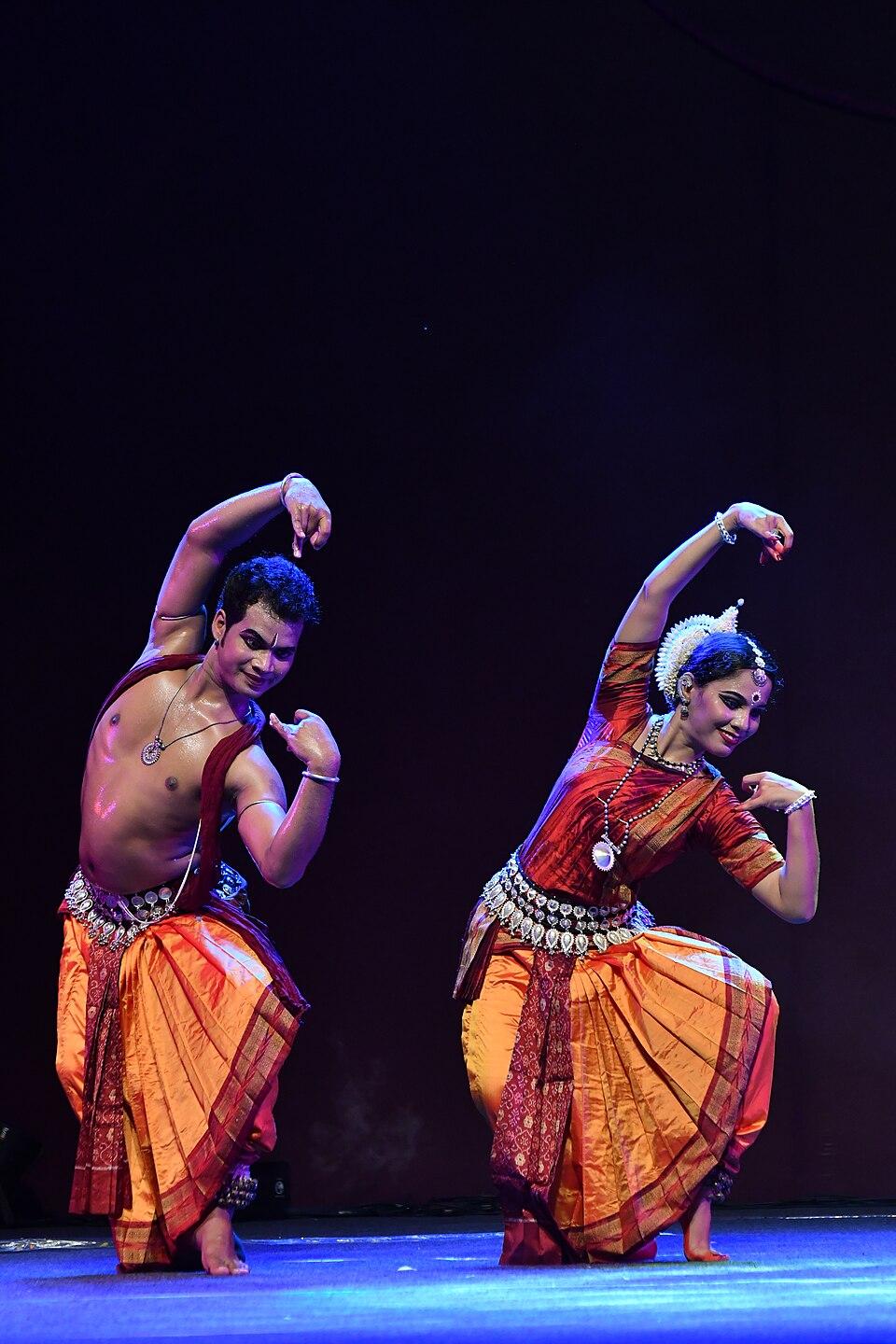
The signature pose of Odissi: body bent at head, torso, and hips creating an S-curve. This triple-bend posture is regarded as distinctive of Odissi.
Chauka (Square)
A stable, grounded stance with feet apart, representing the masculine aspect (Lord Jagannath).
Bhumi Pranam
The opening prayer where the dancer touches the earth, seeking blessings.
Repertoire
An Odissi performance typically includes:
- Mangalacharan — Invocation to the deity
- Batu Nrutya — Pure dance (nritta)
- Pallavi — Lyrical elaboration
- Abhinaya — Expressional piece
- Moksha — Liberation finale
Costumes & Makeup
- Patta Saree — Silk saree in traditional drape
- Tarakasi Jewelry — Silver filigree ornaments
- Ghungroo — Ankle bells
- Hair — Traditional side bun with flowers
- Makeup — Dramatic eyes with kajal
Musical Instruments
- Mardala — Barrel-shaped drum (primary)
- Violin — Melody
- Flute — Melodic support
- Harmonium — Melody
- Tanpura — Drone
- Manjira — Cymbals
Legendary Gurus
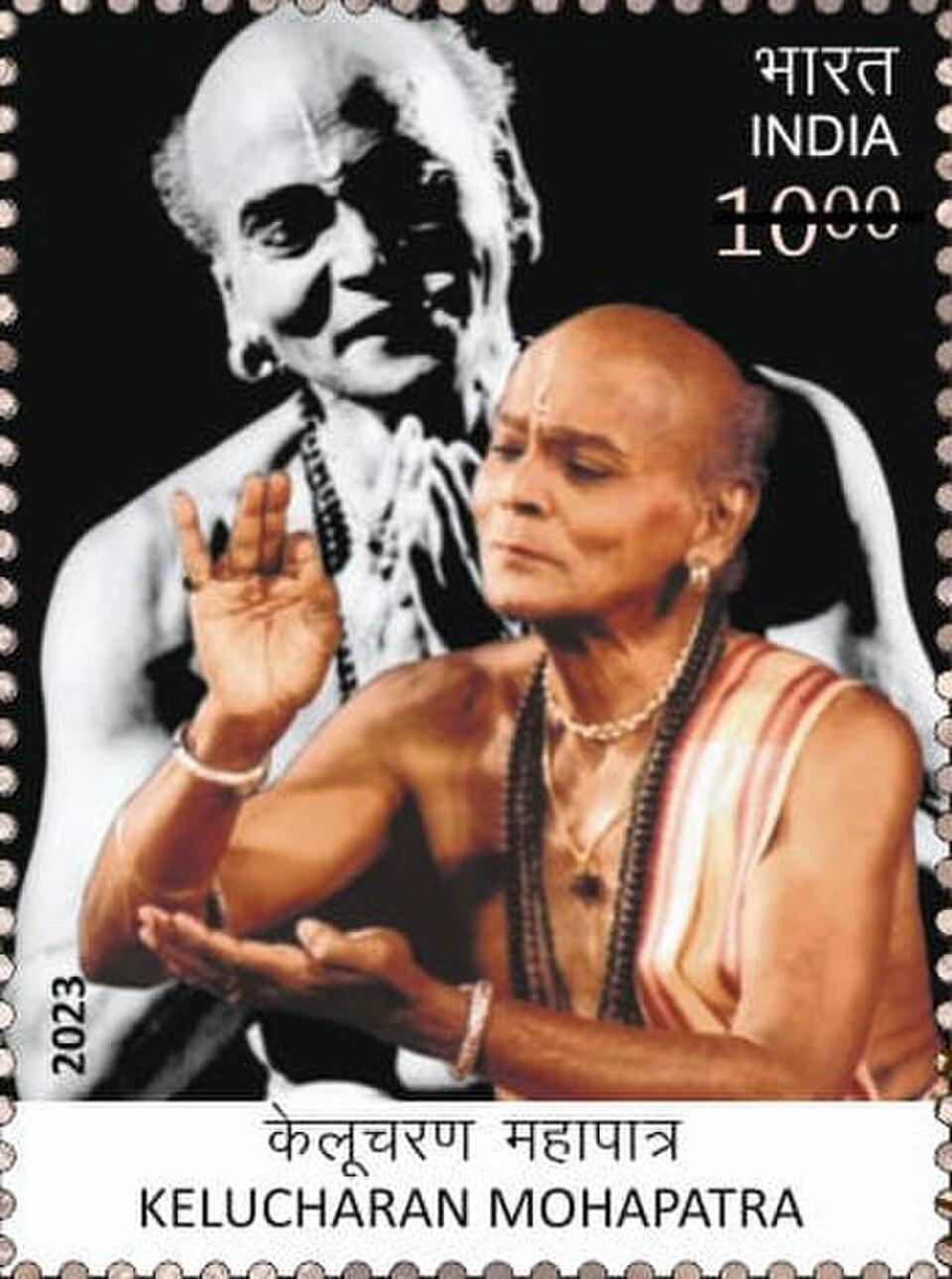
- Kelucharan Mohapatra — The architect of modern Odissi
- Pankaj Charan Das — Preserved the Mahari tradition
- Debaprasad Das — Founder of a distinct Odissi style
- Kumkum Mohanty — Carries forward the legacy
Famous Odissi Dancers
- Sanjukta Panigrahi — International ambassador
- Sonal Mansingh — Former MP, Padma Vibhushan
- Sharon Lowen — American-born Odissi exponent
- Aruna Mohanty — Contemporary innovator
Where to Learn
Major Odissi institutions:
- Odissi Research Centre, Bhubaneswar
- Utkal Sangeet Mahavidyalaya, Bhubaneswar
- Nrityagram, near Bengaluru
Classical Recognition
Odissi is commonly counted among India's eight classical dance forms, alongside Bharatanatyam, Kathak, Kathakali, Kuchipudi, Manipuri, Mohiniyattam, and Sattriya. The Ministry of Culture's list also includes Chhau, making nine. Odissi is not itself inscribed on a UNESCO list.
Related: Odia Culture • Notable People