
The land now known as Odisha has witnessed the rise and fall of mighty empires, the construction of architectural marvels, and the struggle for independence. Here's a journey through 2,500 years of history.
Ancient Kalinga (Before 261 BCE)
The earliest known name for this region was Kalinga. The Kalingas were known for:
- Maritime prowess — Trading with Southeast Asia
- Fierce independence — A formidable regional power at the dawn of recorded Indian history
- Advanced civilization — Mentioned in ancient texts
The Hathigumpha inscription of King Kharavela (2nd or 1st century BCE; its dating is debated) provides valuable insights into ancient Kalinga after the Mauryan period.
The Kalinga War (c. 261 BCE)
The most defining moment in ancient Odishan history was the Kalinga War between King Ashoka of the Maurya Empire and the Kalingas.
According to Ashoka's own Rock Edict XIII, the loss of life and suffering filled him with remorse. The war was so devastating that Ashoka:
- Gave up military conquest
- Became a committed follower of Buddhism
- Spread the message of Dhamma and non-violence across his empire and beyond
Kalinga's sacrifice transformed a warrior emperor into a messenger of peace.
Medieval Dynasties
Bhauma-Kara Dynasty (c. 8th–10th century CE)
- Brought Buddhism to prominence
- Built numerous monasteries
- Period of peace and cultural growth
Eastern Ganga Dynasty (c. 1078–1434 CE in Odisha)
The golden age of Odishan temple architecture:
- Jagannath Temple, Puri — Begun by Anantavarman Chodaganga
- Sun Temple, Konark — Built by Narasimhadeva I
- Lingaraj Temple, Bhubaneswar — Built under the Somavamsi kings in the 11th century, with halls added in the Ganga period
Suryavamsi Gajapati Dynasty (1434–c. 1540 CE)
- Controlled much of eastern India
- Patronized arts and literature
- Title "Gajapati" (Lord of Elephants) remains prestigious
Colonial Period
Maratha Rule (1751-1803)
Marathas controlled Odisha briefly, introducing new administrative systems.
British Rule (1803-1947)
- Odisha became part of the Bengal Presidency; in 1912 it was joined with Bihar to form the province of Bihar and Orissa
- Devastating famines, including the Great Famine of 1866 (Na'anka Durbhikhya), which killed an estimated one million people
- Rising nationalist movement
Birth of Modern Odisha (1936)
On April 1, 1936, Odisha became a separate province — widely regarded as the first Indian province formed on a linguistic basis. The day is celebrated as Utkal Divas.
This was the result of decades of struggle by leaders like:
- Madhusudan Das — Father of the Odia movement
- Gopabandhu Das — Poet and freedom fighter
- Fakir Mohan Senapati — Father of modern Odia literature, who championed the Odia language
Post-Independence
After India's independence in 1947:
- Odisha became a state of the Indian Union (under the Constitution, from 1950)
- Industrial development began
- The state was renamed from "Orissa" to "Odisha" in 2011
Key Historical Sites
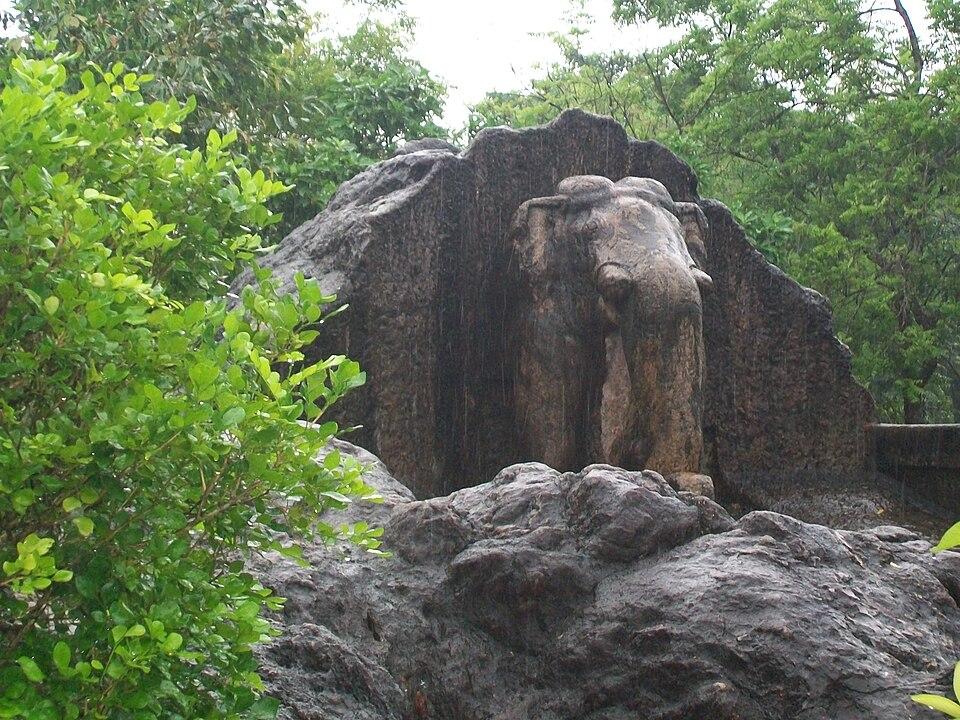
- Dhauli — Where Ashoka's transformation began
- Sisupalgarh — Ancient fortified city
- Udayagiri and Khandagiri Caves — Jain rock-cut caves
- Konark Sun Temple — UNESCO World Heritage Site
Explore more: Odia Culture • Notable People


