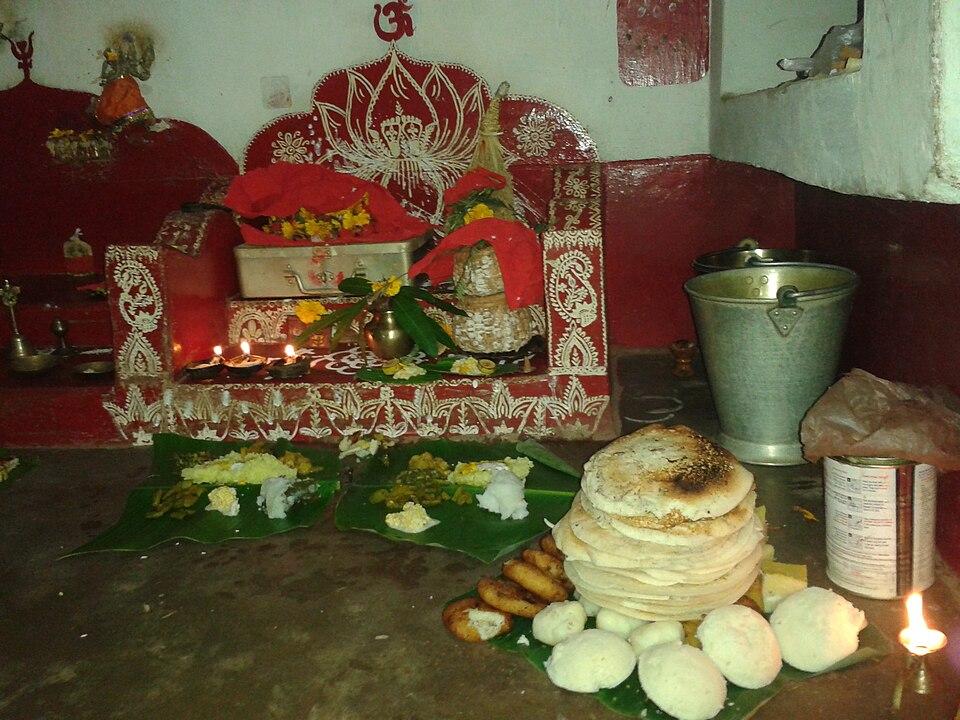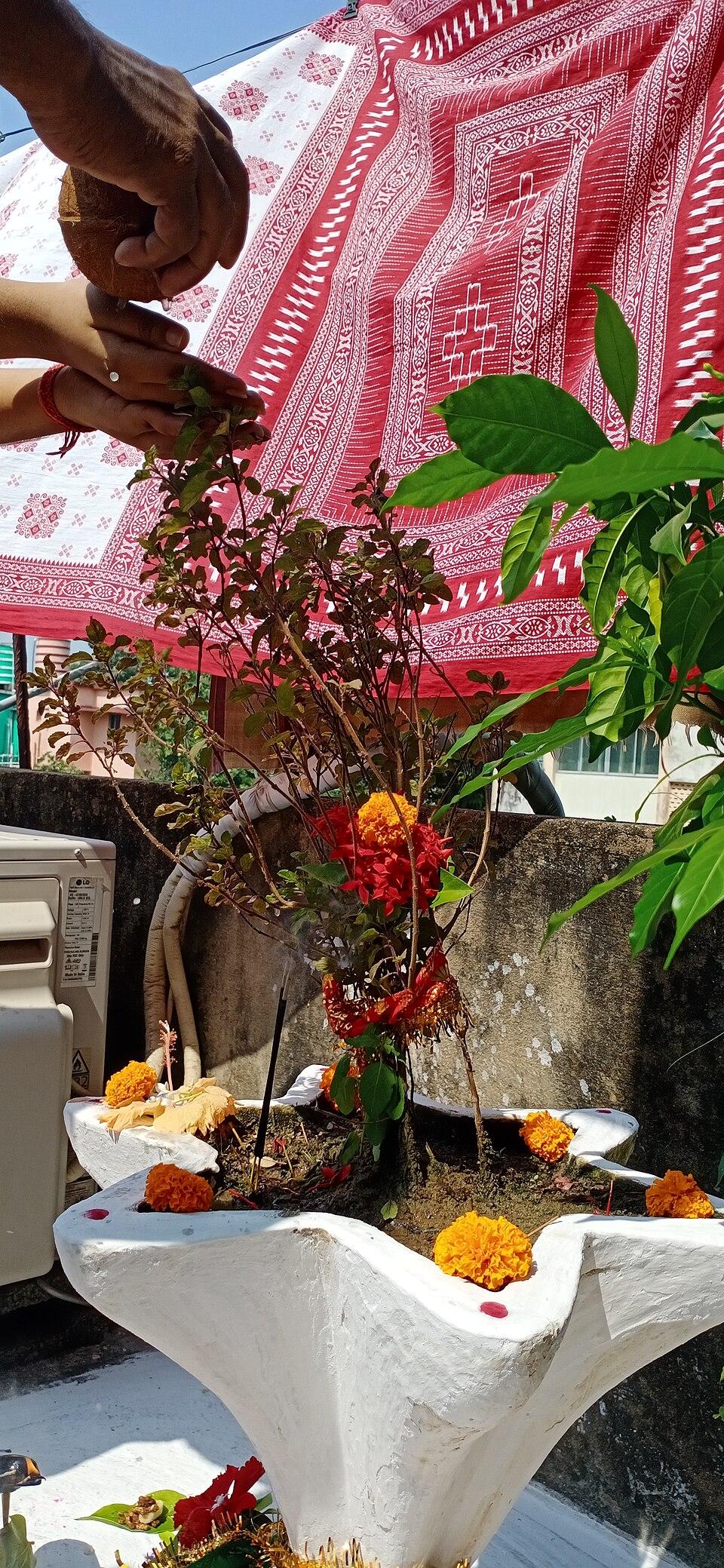
Kumar Purnima (କୁମାର ପୂର୍ଣ୍ଣିମା) is a unique Odia festival celebrated on the full moon night of the Hindu month of Ashwin (September-October). Young unmarried women worship the moon and Lord Kartikeya (Kumar), seeking blessings for a handsome and worthy husband.
The Legend
According to tradition:
- Kartikeya (Kumar) is the son of Lord Shiva and Goddess Parvati
- He is regarded as the most handsome of the gods
- Unmarried girls pray to receive a husband as handsome as Kumar
"Kumar Purnima is Odisha's beautiful celebration of youth, hope, and moonlit romance."
When It's Celebrated
Kumar Purnima falls on the first full moon after Durga Puja (Ashwin Purnima), in late September or October. The festival is also called:
- Sharad Purnima
- Kojagari Purnima (in Bengal)
Rituals and Traditions
Morning Rituals
- Early bath — Girls bathe before sunrise
- New clothes — Wearing new dresses (traditionally white/light colors)
- Fasting — Some girls fast until moonrise
Evening Worship
- Moon worship — Prayers offered to the rising moon
- Chanda Chakata — Offering a mixture of puffed rice, flattened rice, fruit and jaggery to the moon
- Games — Traditional games such as Puchi and Pasa (dice)
- Singing — Traditional Kumar Purnima songs
The Special Foods
- Chuda — Flattened rice
- Nadia — Fresh coconut
- Khai — Puffed rice
- Cheni — Sugar
- Kela — Banana
- Guda — Jaggery
These items, mixed together as the chanda chakata offering, are offered to the moon and then eaten.
Puchi Khela (The Game)
Girls play Puchi — a traditional squatting-and-hopping game — along with other games such as Pasa (dice). It's believed that playing games under the moonlight brings good fortune in finding the right life partner.
Cultural Significance
Kumar Purnima represents:
- Youth and hope — Celebrating the dreams of young women
- Harvest gratitude — The full moon marks harvest time
- Community bonding — Girls gather and celebrate together
- Cultural preservation — Ancient traditions passed down generations
Modern Celebrations
Today, Kumar Purnima is celebrated with:
- School and college programs
- Cultural events
- Family gatherings
- Social media celebrations
Lakshmi Worship
The same full moon is widely observed as a festival of Goddess Lakshmi (Kojagari Lakshmi Puja), and in many parts of Odisha Lakshmi is worshipped on this night as well.
Related: Raja Parba • Odia Culture