Manabasa Gurubara (ମାଣବସା ଗୁରୁବାର) is a beautiful month-long tradition in Odisha where women worship Goddess Lakshmi (the goddess of wealth and prosperity) every Thursday of the month of Margashira (November-December).
What Does the Name Mean?
- Mana — A vessel used for measuring paddy; filled with new paddy, it is worshipped as a symbol of Lakshmi
- Gurubara — Thursday (Gurubara in Odia)
So "Manabasa Gurubara" refers to the Thursdays of Margashira month on which the mana is worshipped.
The Tradition
Every Thursday during Margashira, women:
- Wake up before dawn
- Clean the house thoroughly
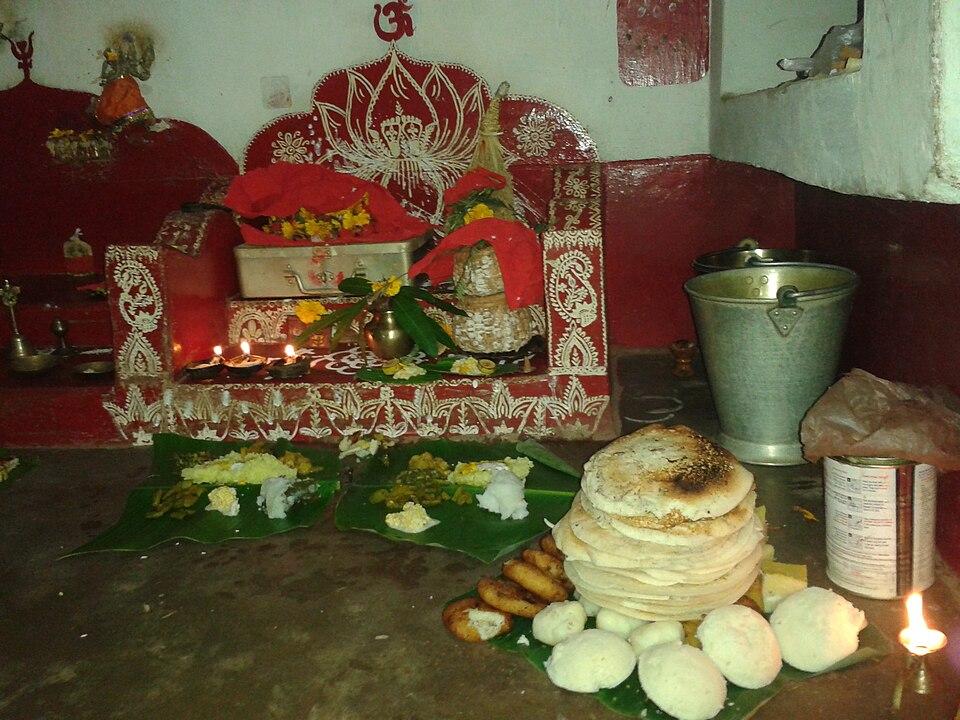
- Create "Jhoti Chita" — Traditional rice paste floor art
- Prepare special offerings
- Read Lakshmi Purana — Sacred text about Goddess Lakshmi
"Manabasa Gurubara teaches that cleanliness, devotion, and humility invite divine blessings."
Jhoti Chita (Floor Art)
The most beautiful aspect is Jhoti Chita — intricate white designs painted on floors using rice paste:
- Lotus flowers (Lakshmi's symbol)
- Footprints (showing Lakshmi entering the home)
- Geometric patterns
- Rangoli-style designs
These designs are traditionally made at:
- The entrance and doorstep
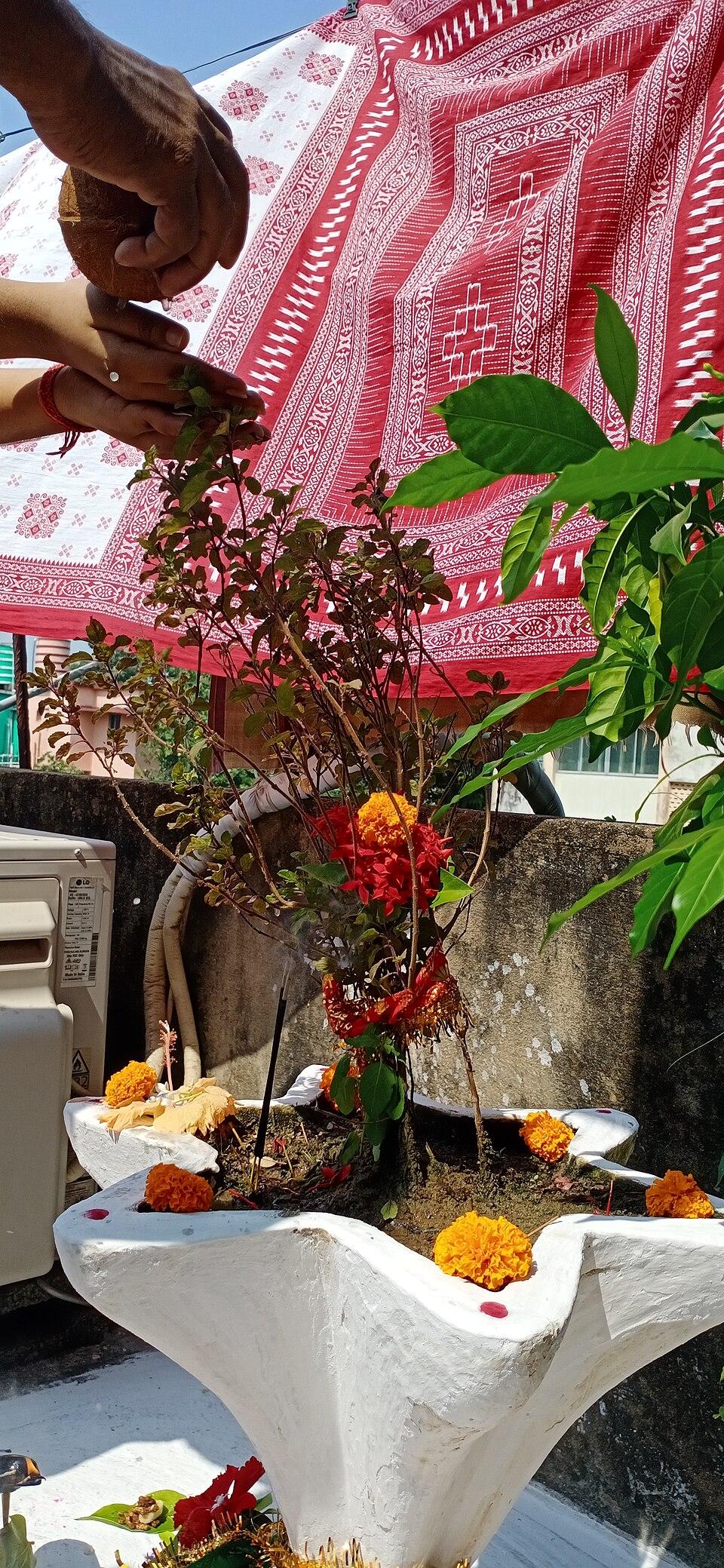
- Around the tulasi chaura (holy basil altar)
- Inside the house
- Near the worship area
Lakshmi Purana
A key ritual is reading the Lakshmi Purana, attributed to the poet Balarama Dasa, one of the Panchasakha poets of the 15th–16th centuries. The story teaches:
- Lakshmi (prosperity) abandons those who mistreat the poor
- She blesses those who show kindness to all
- Pride leads to downfall; humility brings blessings
The text notably speaks against caste discrimination: Lakshmi visits the home of Shriya, a devout outcaste woman. Jagannath and Balabhadra refuse to let her back into the temple, she leaves, and they suffer hardship until they accept her and Shriya's devotion.
The Offerings
Women prepare special offerings:
- Maana (a measure of rice or grains)
- Khai — Puffed rice
- Chuda — Flattened rice
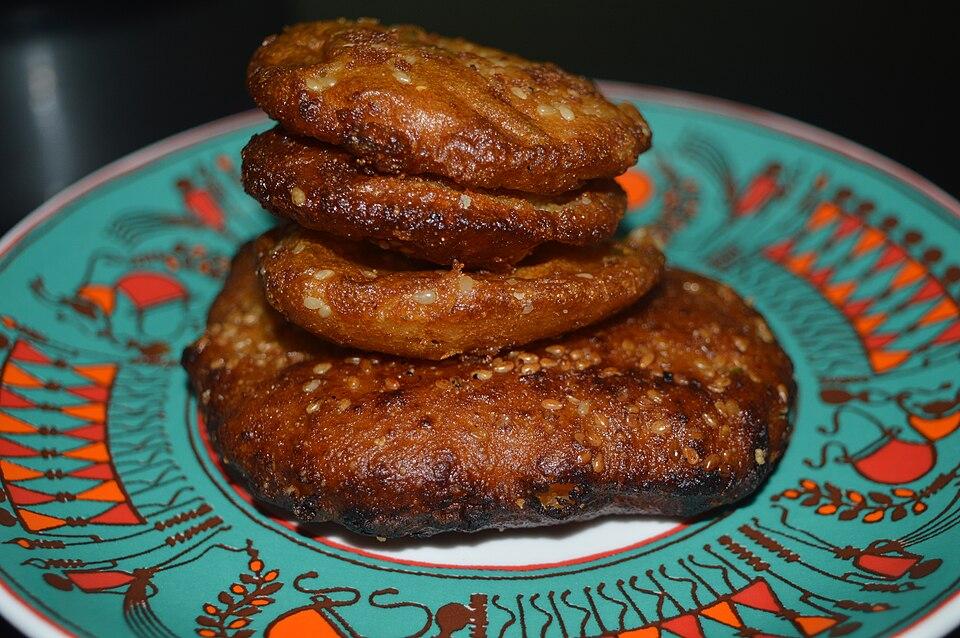
- Fruits and sweets
- Betel leaves and nuts
Why Thursday?
Thursday (Gurubara) is dedicated to Brihaspati (Jupiter), associated with wisdom and prosperity. Worshipping Lakshmi on this day is believed to be especially auspicious.
Cultural Significance
Manabasa Gurubara:
- Empowers women — It's a women-centric tradition
- Promotes cleanliness — Homes are thoroughly cleaned
- Teaches values — Through Lakshmi Purana stories
- Preserves art — Jhoti Chita tradition continues
Modern Practice
Today, young women learn:
- Jhoti Chita from mothers and grandmothers
- Lakshmi Purana stories passed through generations
- The importance of gratitude and humility
Related: Kumar Purnima • Odia Culture