
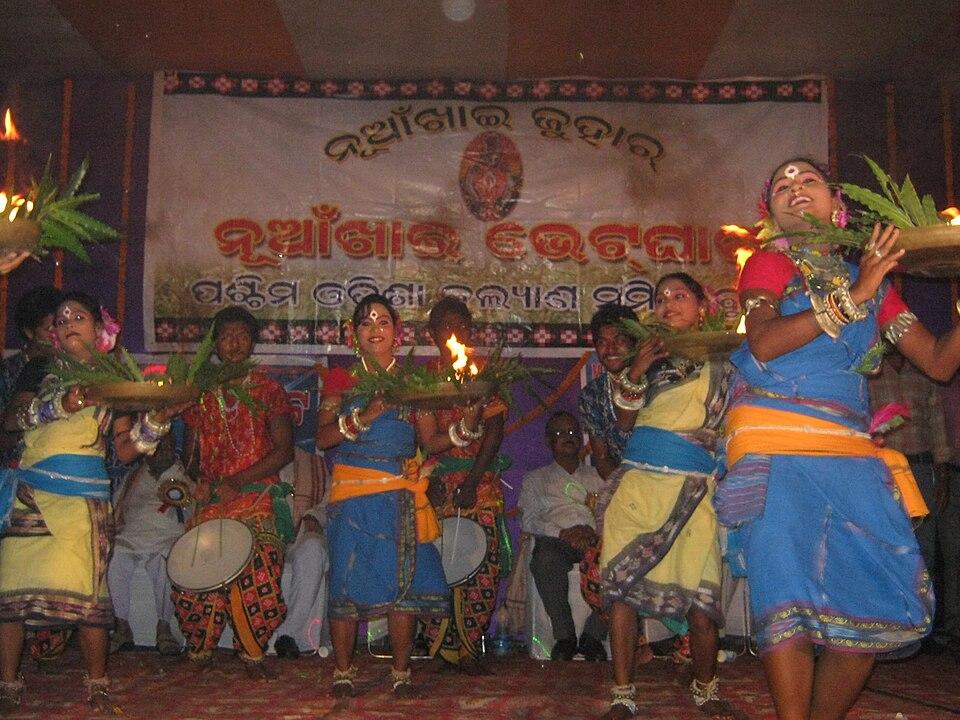
Nuakhai (ନୂଆଖାଇ) is the most significant festival of Western Odisha, celebrating the season's first rice harvest. The name comes from "Nua" (new) + "Khai" (eat) — literally "eating the new rice." According to tradition, the 14th-century Chauhan ruler Ramai Deo of Patnagarh helped establish it as a festival of the region.
When Is It Celebrated?
Nuakhai is celebrated on Panchami Tithi (5th day) of the lunar fortnight of Bhadrapada (August-September), one day after Ganesh Chaturthi.
The Significance
Nuakhai is:
- Agricultural gratitude — Thanking nature for the harvest
- Family reunion — Biggest gathering of the year
- Cultural identity — Defines Western Odisha's heritage
"For people of Western Odisha, Nuakhai is bigger than Durga Puja or Diwali."
The Rituals
Before Nuakhai
- Cleaning houses — Thorough cleaning and painting
- New clothes — Everyone gets new attire
- Invitations — Family members are called home
Nuakhai Day
The exact order and timing vary by family and place. A typical day runs like this:
| Part of the day | Activity |
|---|---|
| Morning | Temple and household worship |
| Auspicious lagna | New rice offered to the deity and then eaten |
| After the meal | Nuakhai Bhetghat (receiving blessings from elders) |
| Afternoon | Nuakhai feast |
| Evening | Cultural programs |
Nuakhai Bhetghat
The most emotional tradition: younger people touch the feet of elders to receive blessings, and families exchange the greeting:
"ନୂଆଖାଇ ଜୁହାର!" (Nuakhai Juhar!) — The traditional greeting in Sambalpuri
This is followed by embracing and exchanging sweets.
The Feast
The highlight is Nuakhai Bhog (special meal):
- Nua Chaula — New rice (must be included)
- Mutton/Chicken curry
- Dalma — Lentils with vegetables
- Kheer — Rice pudding
- Saga Bhaja — Fried greens
- Special sweets
Where It's Celebrated
Nuakhai is primarily celebrated in:
- Sambalpur — The epicenter
- Bargarh
- Sonepur
- Bolangir
- Kalahandi
- Nuapada
- Parts of Jharsuguda and Sundargarh
Nuakhai in Sambalpur
Sambalpur celebrates with:
- Grand celebrations at Samaleswari Temple
- Public gatherings
- Sambalpuri dance and music
- Nuakhai Bhetghat at the Samaleswari Temple
The new rice is first offered to Goddess Samaleswari at an auspicious moment (lagna) fixed by priests and astrologers. Since 1991, a common date has been followed across the region.
Cultural Programs
Nuakhai week features:
- Sambalpuri dance (Rasarkeli, Dalkhai)
- Folk music concerts
- Traditional sports
- Community gatherings
The Sambalpuri Connection
Nuakhai is deeply connected to Sambalpuri culture:
- Sambalpuri sarees — Women wear traditional handloom
- Sambalpuri songs — Special Nuakhai songs
- Kosli language — Festival greetings in local dialect
Modern Celebrations
Today, Nuakhai is celebrated by:
- NRIs worldwide — Community gatherings abroad
- Urban Odias — Returning to villages
- Social media — #Nuakhai trends every year
Recognition
Nuakhai is an official holiday in Odisha, and Odisha Tourism lists it among the state's major festivals. It is a festival, not a Geographical Indication (GI) product.
Related: Raja Parba • Odia Culture
.jpg%2F960px-Samlei_Gudi_(Samaleswari_Temple).jpg&w=3840&q=75)