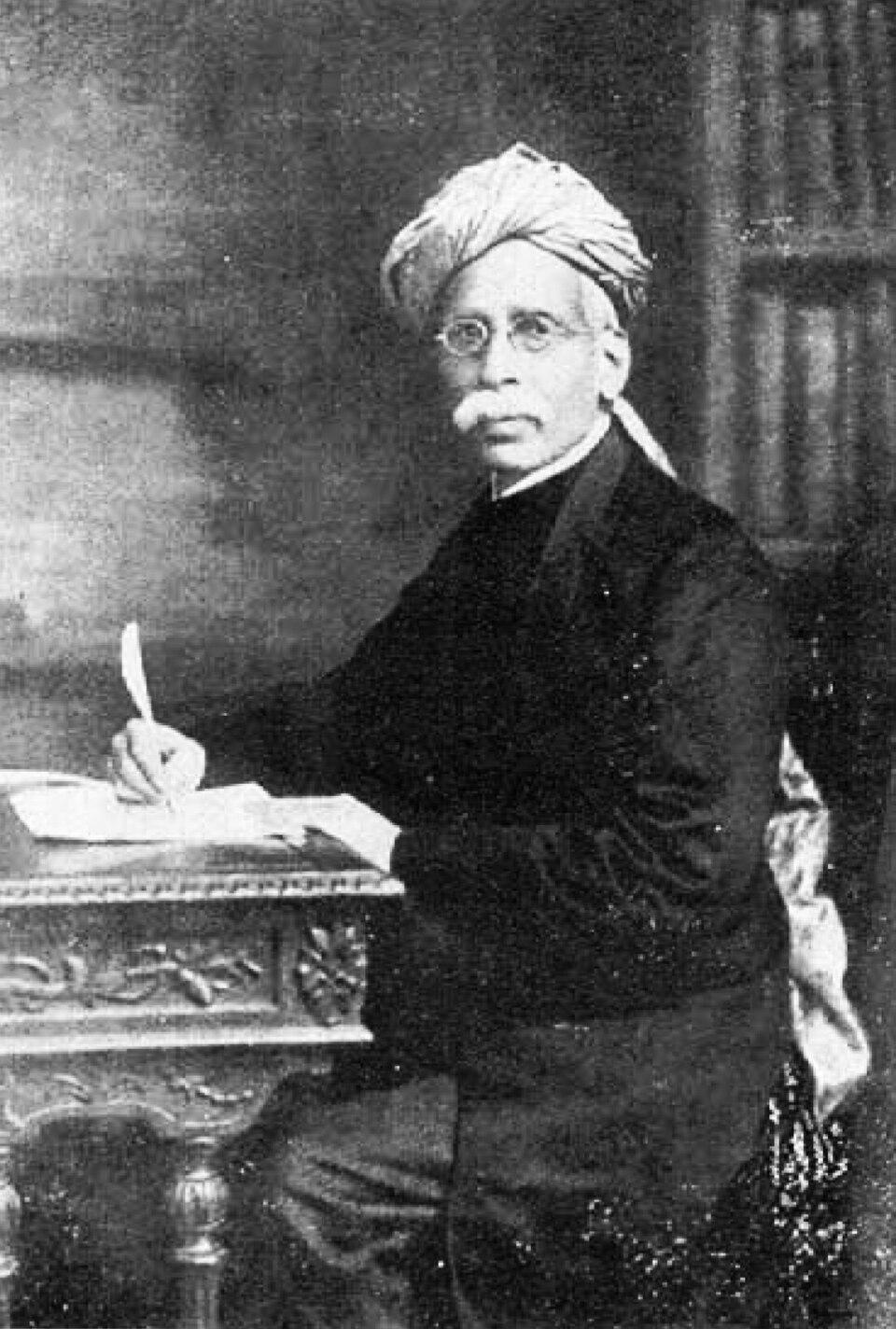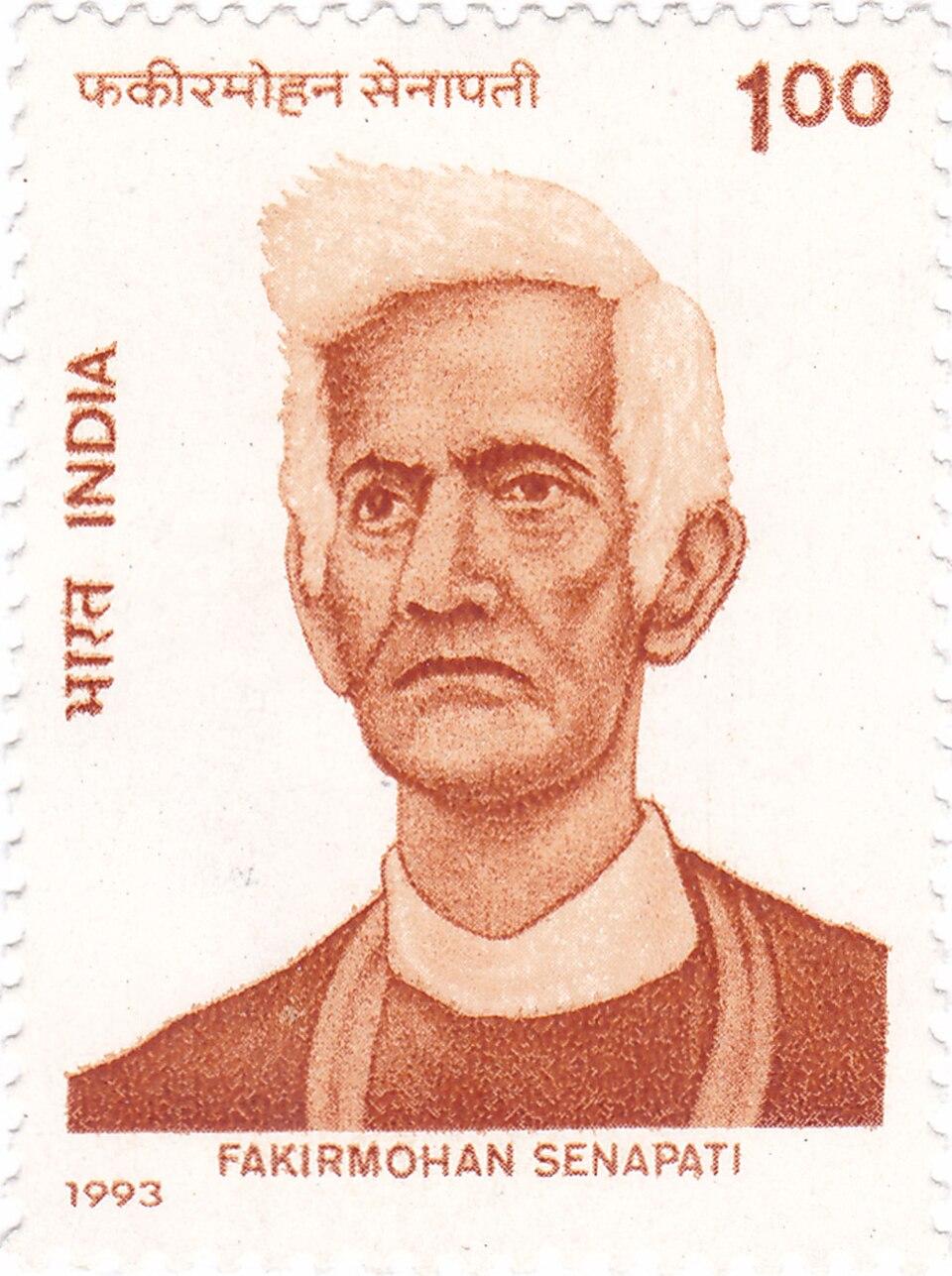
Fakir Mohan Senapati (1843-1918) is revered as the father of modern Odia literature. His groundbreaking novel Chha Mana Atha Guntha (Six Acres and a Third) is often described as the first Indian novel to deal with the exploitation of landless peasants by a feudal landlord.
Early Life
| Aspect | Details |
|---|---|
| Birth | January 13, 1843 |
| Place | Mallikashpur, Balasore, Odisha |
| Death | June 14, 1918, Balasore |
| Education | Largely self-taught |
Despite losing his father at about one and a half years of age and his mother soon after, and growing up in poverty under his grandmother's care, Fakir Mohan became one of the most learned men of his time.
Languages He Mastered
Fakir Mohan worked across several languages, including:
- Odia (native)
- Bengali
- Sanskrit (from which he translated classics into Odia)
- English
Major Works
Novels
- Chha Mana Atha Guntha (serialised 1897–1899, published as a book 1902) — Masterpiece about land exploitation
- Lachhama — Historical novel
- Mamu — Novel
- Prayaschita — Social novel
Short Stories
- Rebati (1898) — First Odia short story
- Patent Medicine
- Daka Munshi
Poetry
- Utkala Bhramanam (1892)
Translations
- Odia translations of the Ramayana, Mahabharata and other Sanskrit texts
Autobiography
- Atma Jibana Charita — Candid life story and the first autobiography in Odia
Why He Matters
Literary Revolution
Before Fakir Mohan:
- Odia prose was ornate and Sanskrit-heavy
- Stories were mythological and unrealistic
- Common people weren't subjects of literature
After Fakir Mohan:
- Simple, conversational prose
- Realistic stories of ordinary life
- Social issues became themes
- Common people became protagonists
Chha Mana Atha Guntha
This novel tells the story of a poor weaver couple, Bhagia and Saria, whose land and cow are seized by the scheming landlord Ramachandra Mangaraj. Its significance:
- Often described as the first Indian novel about the exploitation of landless peasants by a feudal lord
- Used humor and irony as weapons
- Exposed how the colonial legal and land systems could be abused
- Written in colloquial, accessible Odia
- Influenced generations of writers
Social Activism
Beyond writing, Fakir Mohan:
- Fought for Odia as a distinct language at a time when some officials sought to replace it with Bengali
- Worked as an administrator in the service of princely states
Legacy
Honors
- Called "Vyasakabi" (Odisha's Vyasa) for his translations of the Sanskrit epics
- Numerous institutions named after him, including Fakir Mohan University and Fakir Mohan College in Balasore
- His birthplace is a pilgrimage for literature lovers
- Celebrated on Fakir Mohan Jayanti
Influence
Modern Odia writers who followed his path of realistic prose include later novelists and short-story writers of the 20th century, and his contemporaries Radhanath Ray and Madhusudan Rao worked alongside him to promote Odia.
Visiting His Legacy
- Balasore — Fakir Mohan University and Fakir Mohan College
- Birthplace in Mallikashpur
- Statue — Multiple cities in Odisha
Related: Odia Language • Notable People