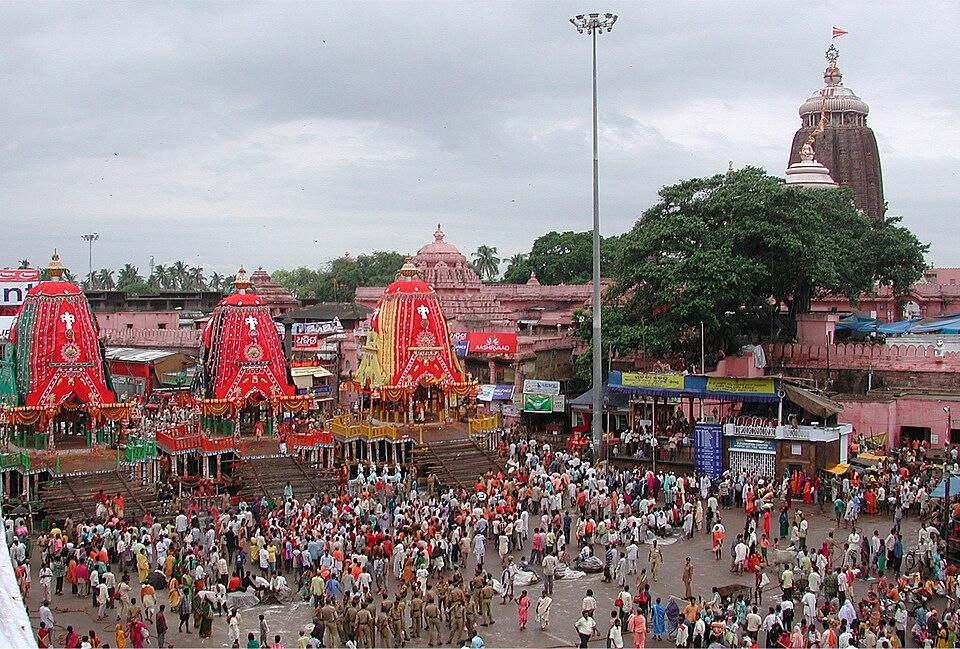
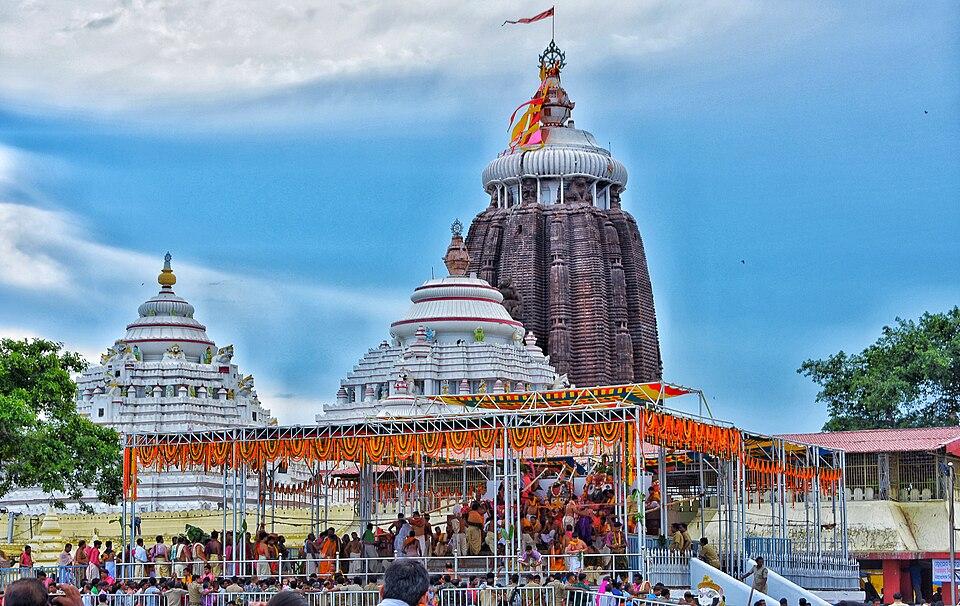
Jagannath Panjika (ଜଗନ୍ନାଥ ପଞ୍ଜିକା) is a name used for Odia almanacs (panjika or panji) that follow the reckoning traditionally associated with Lord Jagannath and Puri. Like other Odia panjikas, it lists the daily lunar and astronomical details, festival dates and auspicious times (muhurta) that households use for worship and family ceremonies.
Printed panjikas in Odisha are brought out by private publishers under traditional names. Odiapedia has not been able to verify a single, official "Jagannath Panjika" issued by the Shree Jagannath Temple Administration, so readers should check the publisher named on the copy they use.
Quick Facts
| Aspect | Details |
|---|---|
| Type | Odia almanac (panjika) |
| Tradition | Puri / Jagannath temple tradition of reckoning |
| Language | Odia |
| Used For | Festival dates, tithis, muhurta |
| Not to be confused with | Madala Panji, the temple chronicle |
What a panjika contains
Daily Panchanga
An Odia panjika typically gives, for each day:
- ତିଥି (Tithi) — Lunar day
- ନକ୍ଷତ୍ର (Nakshatra) — Lunar mansion
- ଯୋଗ (Yoga) — One of the 27 yogas of the panchanga
- କରଣ (Karana) — Half of a tithi
- ରାହୁକାଳ (Rahu Kala) — Period considered inauspicious
- ସୂର୍ଯ୍ୟୋଦୟ/ଅସ୍ତ — Sunrise and sunset times
Festivals and observances
- ରଥଯାତ୍ରା (Rath Yatra) and other festivals of Lord Jagannath
- ଏକାଦଶୀ (Ekadashi) fasting days
- ସଂକ୍ରାନ୍ତି (Sankranti) dates
- Major Hindu festivals observed in Odisha
Jagannath festivals listed in Odia almanacs include Snana Yatra, Rath Yatra, Bahuda Yatra, Suna Besha and Chandan Yatra.
Puri and Odia almanac-making
Puri has a long association with time-reckoning. The Jagannath Temple's astrologers were central to the preparation of almanacs in Odisha, and the temple's own festival schedule is fixed within the temple's ritual system. The Gajapati Maharaja of Puri, the titular king, is traditionally regarded as the first servitor of Lord Jagannath and performs rituals such as Chhera Pahanra during Rath Yatra; he is not a priest and does not compile almanacs.
In the 19th century the astronomer Pathani Samanta made naked-eye observations and set out reformed calculations in his treatise Siddhanta Darpana (completed 1869). His work came to be used in preparing almanacs in Odisha, and sources state that the Jagannath Temple follows calendar rules he proposed for its ceremonies.
Panjika vs Madala Panji
| Aspect | Panjika (almanac) | Madala Panji |
|---|---|---|
| What it is | Yearly almanac of dates and timings | Chronicle of the Jagannath Temple |
| Content | Tithi, nakshatra, festivals, muhurta | Temple history, rituals, royal events |
| Form | Printed annually | Historical prose records |
How people use a panjika
- Daily reference — Check the tithi and nakshatra for the day
- Festival planning — Find the dates of festivals and vratas
- Muhurta — Look up auspicious times for weddings and griha pravesh
- Ekadashi — Know fasting dates
Because different almanacs can follow slightly different calculations, festival dates occasionally differ between panjikas. For the Jagannath temple's own festival dates, rely on announcements by the temple administration.
Related: Rath Yatra • Biraja Panjika • Calendar • Pathani Samanta