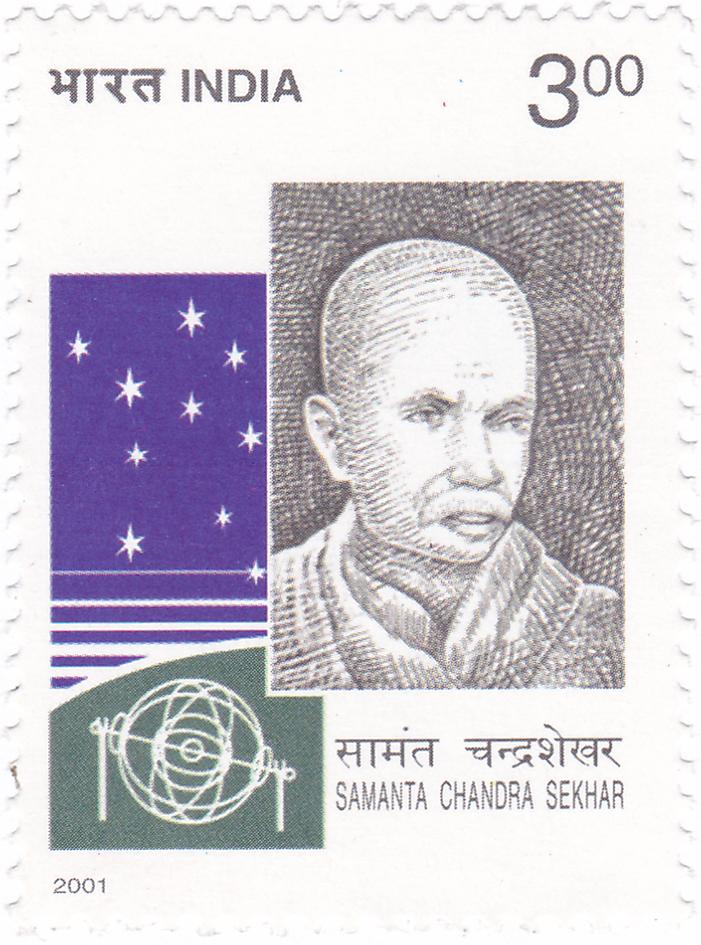
Mahamahopadhyaya Chandrasekhar Singha Samanta (1835–1904), popularly known as Pathani Samanta, was a celebrated Indian astronomer and scholar from Khandapada, in present-day Nayagarh district of Odisha.
At a time when Western astronomers relied on telescopes, Pathani Samanta made careful naked-eye measurements of planetary positions, eclipses, and lunar movements using nothing more than bamboo sticks and simple wooden contrivances.
Quick Facts
| Aspect | Details |
|---|---|
| Birth Name | Chandrasekhar Singha Samanta |
| Popular Name | Pathani Samanta |
| Lifespan | 1835 – 1904 |
| Birthplace | Khandapada, Nayagarh (Odisha) |
| Magnum Opus | Siddhanta Darpana (A masterpiece on traditional astronomy) |
| Key Inventions | Mana Yantra (measuring instrument made of bamboo) |
| Title Awarded | Mahamahopadhyaya (by the British Government) |
The Genesis of a Genius
Born into the royal family of Khandapada on 13 December 1835, Chandrasekhar was a sickly child. According to accounts of his life, as an infant he was given in symbolic adoption to a Muslim fakir to ward off misfortune, and the nickname "Pathani" was kept in remembrance of this.
From a very young age, he developed an intense fascination with the night sky. With no access to modern scientific education or modern instruments, he relied entirely on traditional Sanskrit texts (like the Surya Siddhanta) and his own extraordinary observational skills.
The Bamboo Instruments
Pathani Samanta's greatness lies in his innovation. Finding that the ancient astronomical charts (which were hundreds of years old) no longer accurately predicted eclipses, he decided to measure the heavens himself.
He crafted his own set of measuring instruments using everyday materials like bamboo strips and wooden sticks. The most famous of these was the Mana Yantra. With these simple devices, he spent countless sleepless nights meticulously measuring:
- The phases of the moon.
- The exact time of solar and lunar eclipses.
- The positions and movements of stars and planets.
- The heights and distances of objects, using simple geometry.
His calculations of celestial movements were remarkably close to values obtained by contemporary astronomers using telescopes. He is credited with independently identifying the main irregularities in the moon's motion, which earned him the epithet "the Indian Tycho".
Siddhanta Darpana: The Masterpiece
After decades of rigorous observation, Pathani Samanta compiled his lifelong findings in his magnum opus, the Siddhanta Darpana. Written in Sanskrit metrical verse (shlokas), originally in Odia script on palm leaves, the text is commonly said to contain about 2,500 verses detailing his calculations and astronomical theorems.
When the book was published in 1899, it was noticed in the European and American press, and scholars praised the precision of his calculations regarding the irregularities of the moon's motion.
Recognition and Legacy
Though he lived a life of extreme simplicity and poverty, avoiding the limelight, his brilliance could not remain hidden.
- In 1893 the British Government conferred upon him the title of Mahamahopadhyaya, along with a monthly pension.
- Today, the Pathani Samanta Planetarium in Bhubaneswar is named in his honor.
- Odia almanacs (Panjikas) draw on his calculations, and the Jagannath Temple in Puri still follows calendar rules he proposed for its ceremonies.
Pathani Samanta remains an enduring symbol of pure scientific inquiry and intellectual brilliance in Odia history.
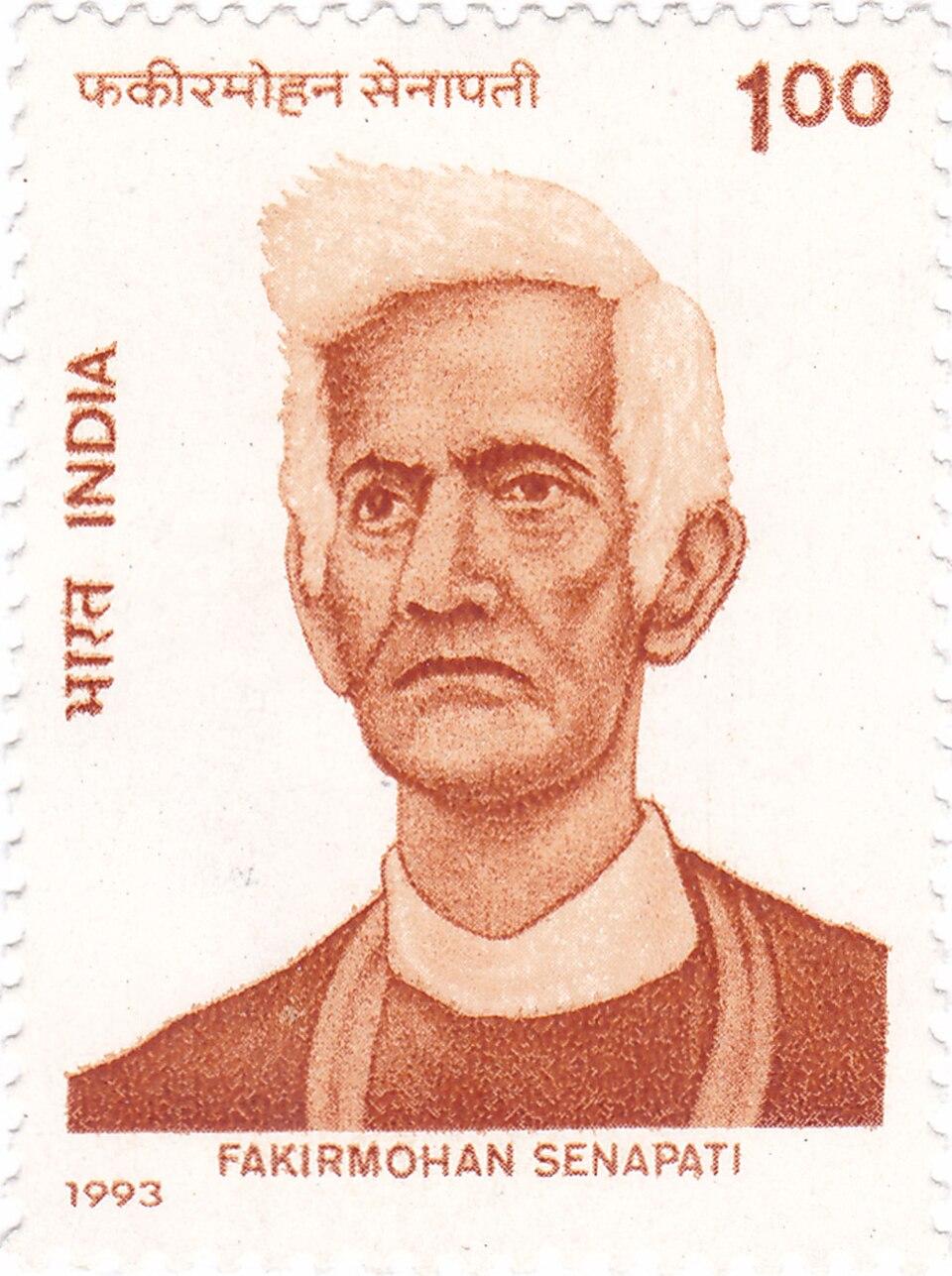
Related: Madhusudan Das • Fakir Mohan Senapati