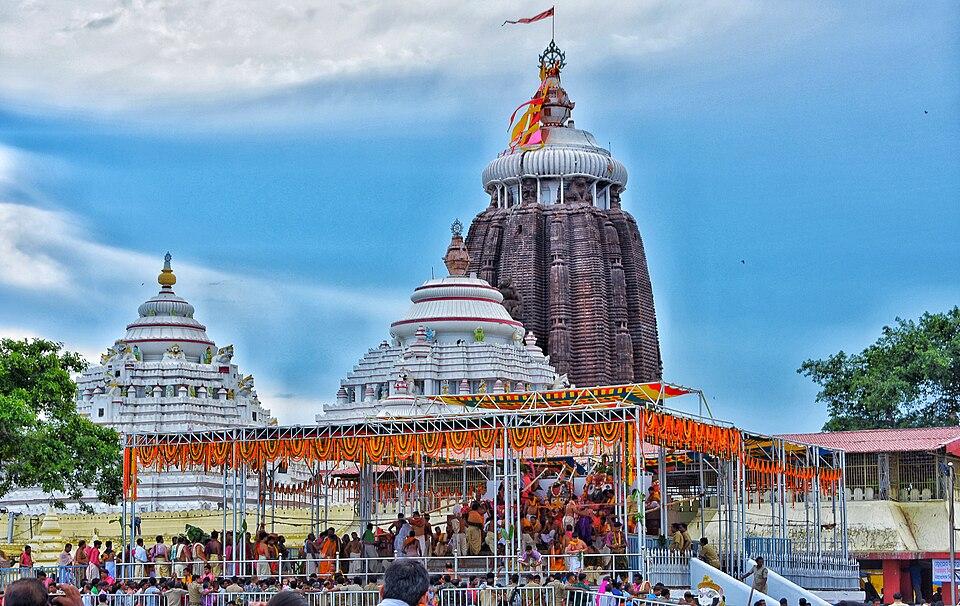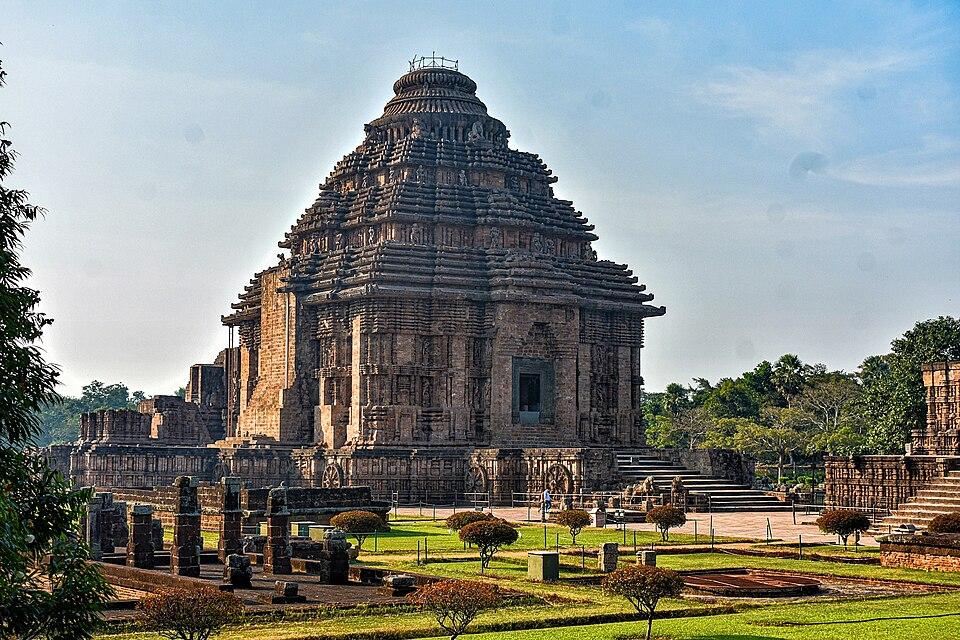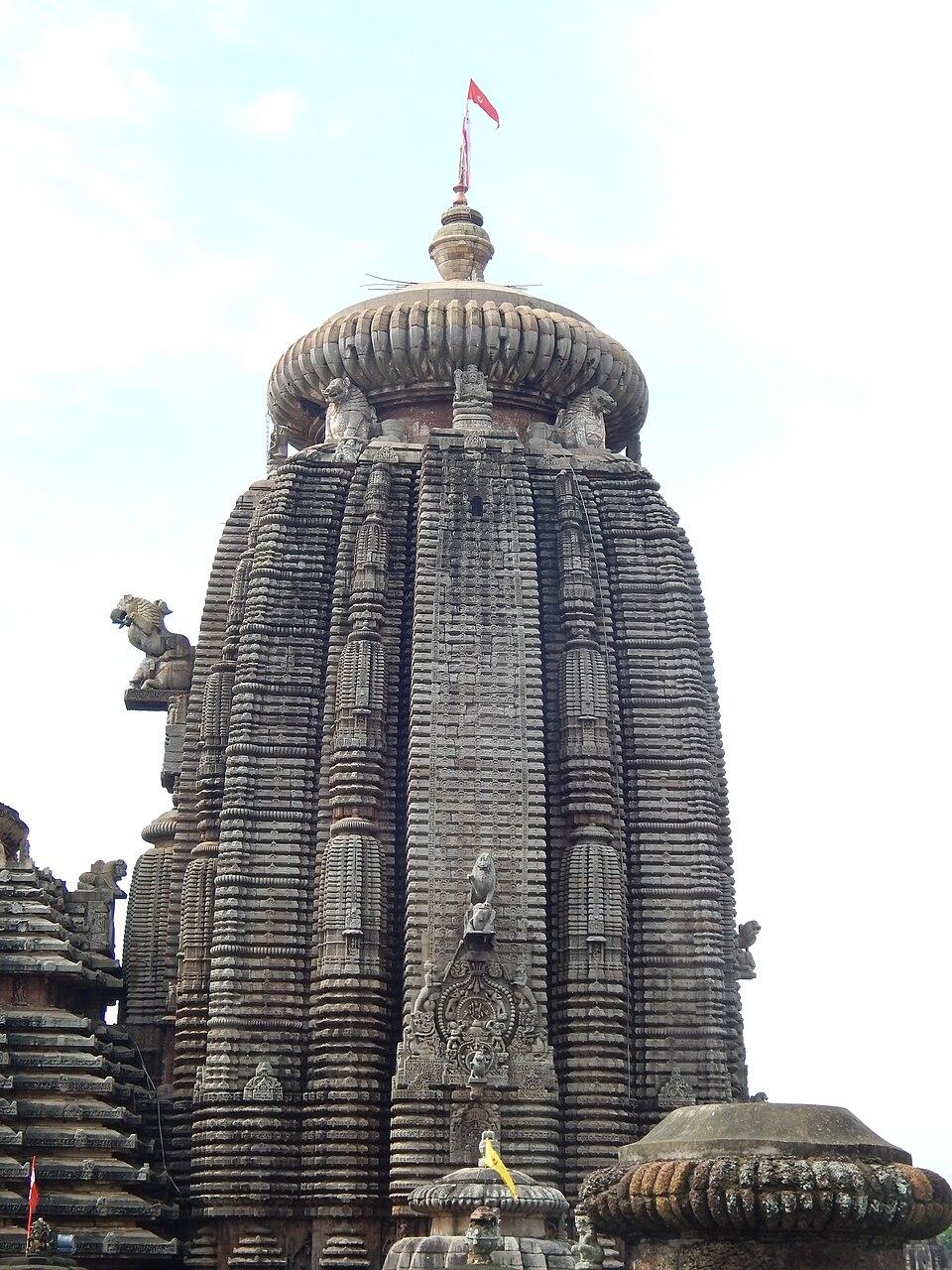
Lingaraj Temple (ଲିଙ୍ଗରାଜ ମନ୍ଦିର) is the largest and most important temple in Bhubaneswar, the "Temple City of India." This magnificent 11th-century temple is dedicated to Lord Shiva as Tribhuvaneshwar.
Quick Facts
| Aspect | Details |
|---|---|
| Built | 11th century CE (present form) |
| Dynasty | Somavamsi Kings, with later Ganga additions |
| Height | 55 meters (180 feet) |
| Deity | Lord Shiva (Lingaraj) |
| Style | Kalinga Architecture |
| Location | Old Town, Bhubaneswar |
Unique Deity
The Lingaraj is regarded as a Swayambhu (self-manifested) lingam and is worshipped as Harihara — a combined form of:
- Shiva
- Vishnu
This makes it sacred to both Shaivites and Vaishnavites.
Architectural Marvel
The Four Sections
| Section | Name | Purpose |
|---|---|---|
| Vimana | Deula | Main sanctuary (55m tall) |
| Jagamohana | Assembly hall | For devotees |
| Nata Mandira | Dance hall | Temple performances |
| Bhoga Mandapa | Offering hall | Food offerings |
Kalinga Style Features
- Curvilinear Deula — The iconic tower
- Intricately carved walls — Depicting gods, goddesses, mythical creatures
- No iron/cement — Traditional mortar joints
- Khondalite and laterite — The temple is built of khondalite sandstone, with a laterite compound wall
Temple Complex
The complex includes over a hundred smaller shrines around the main temple (sources give figures from 108 to about 150), including:
- Parvati (Bhagavati) Temple
- Gopalini Temple
- Bhavani Temple
Festivals
| Festival | Month | Celebration |
|---|---|---|
| Shivaratri | February/March | Biggest celebration |
| Ashokastami | March/April | Chariot procession |
| Chandan Yatra | April/May | 22-day sandalwood festival at Bindu Sagar |
Rukuna Rath Yatra
During Ashokastami, the deity is taken on a chariot (rath) procession — a smaller version of Puri's Rath Yatra.
Entry Rules
Note: Only Hindus are allowed inside the temple.
Non-Hindus can view the temple from a raised viewing platform beside the compound wall.
Dress Code
- Traditional attire preferred
- Remove footwear at entrance
- Photography not allowed inside
Bindu Sarovar
Near the temple is Bindu Sarovar (Bindu Sagar), the sacred tank believed to contain waters from all holy rivers. Devotees take a dip before worship.
History
- 6th–7th century (per some texts): Some scholars and later Sanskrit texts suggest an earlier shrine stood here
- 11th century: Current structure built; traditionally attributed to Somavamsi King Jajati Keshari, though historians debate which Somavamsi ruler began it
- Later additions: The Bhoga Mandapa and other halls were added in the 12th century and after
Visiting Tips
| Timing | Details |
|---|---|
| Hours | Open from early morning to night; check locally as hours vary |
| Best time | Early morning |
| Crowd | Less on weekdays |
How to Reach
- By Air: Biju Patnaik International Airport, Bhubaneswar (a few kilometres away)
- By Rail: Bhubaneswar Station (a few kilometres away)
- Local: Auto-rickshaw, taxi
Significance
Lingaraj Temple represents:
- The zenith of Kalinga architecture
- A living temple with continuous worship for about 1,000 years
- The heart of Bhubaneswar's spiritual identity
Related: Jagannath Temple • Konark Sun Temple