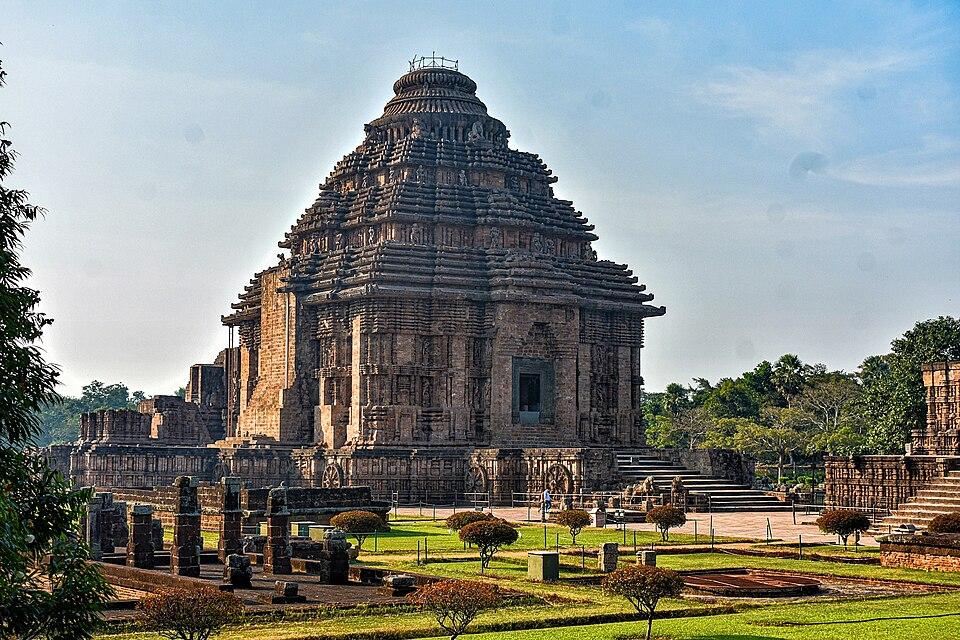
The Konark Sun Temple (କୋଣାର୍କ ସୂର୍ଯ୍ୟ ମନ୍ଦିର) is a 13th-century architectural masterpiece and UNESCO World Heritage Site. Designed as a colossal chariot carrying the Sun God, Surya, it represents the pinnacle of Odishan temple architecture.
The Giant Chariot
The entire temple is designed as a chariot with:
- 24 elaborately carved wheels — arranged as 12 pairs, commonly interpreted as the 12 months of the year (other interpretations link the 24 wheels to the hours of the day)
- 7 horses — traditionally said to represent the 7 days of the week
Historical Background
| Aspect | Details |
|---|---|
| Built by | King Narasimhadeva I (r. 1238–1264) |
| Dynasty | Eastern Ganga Dynasty |
| Year | c. 1250 CE |
| Time to build | 12 years (according to tradition) |
| Workers | 1,200 artisans (according to tradition) |
The temple was dedicated to Surya, the Sun God, and oriented to catch the first rays of sunrise.
Architecture
The Three Main Parts
- Vimana (Sanctuary) — Original tower (now collapsed) is estimated to have been about 229 feet (70 m) tall
- Jagamohana (Assembly Hall) — Still standing at about 128 feet (39 m)
- Nata Mandira (Dance Hall) — For temple dancers
The Wheels
Each of the 24 wheels is about 3 m (roughly 9 to 10 feet) in diameter. They are widely described as sundials:
- Guides at the site show how the shadow cast by the spokes can be used to read the time of day
- Popular accounts claim the reading is accurate to within minutes, though this is a traditional claim rather than a measured result
Sculptural Wonder
The temple is covered with thousands of sculptures depicting:
- Daily life scenes — Hunting, war, court life
- Mythological stories — Hindu deities and legends
- Erotic carvings — Similar to Khajuraho (controversial but artistic)
- Animals — Elephants, lions, horses
- Decorative patterns — Geometric and floral
The Mystery of Collapse
The main tower collapsed, but why? Historians do not agree, and the tower was already in ruins by the 19th century.
Theories include:
- Natural disaster — Earthquake or cyclone
- Lodestone removal — A popular legend says a magnetic stone held the structure together; there is no evidence for this
- Deliberate destruction — Raids between the 15th and 17th centuries damaged the temple
- Foundation issues — Sandy soil problems
In 1903, to stop the Jagamohana from collapsing, the British administration had it sealed and filled with sand.
The Black Pagoda
European sailors called it the "Black Pagoda" because:
- It appeared dark from the sea and served as a coastal landmark
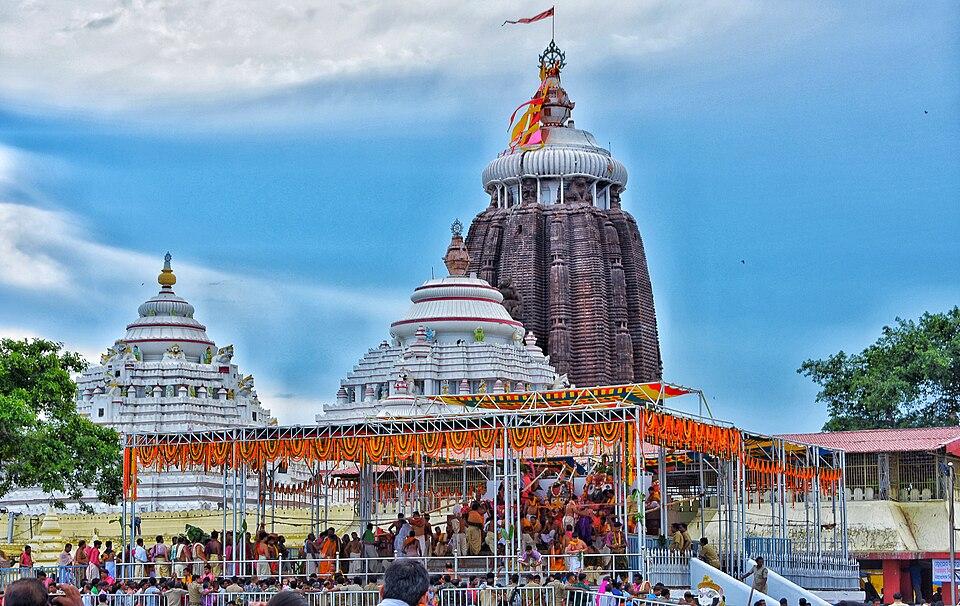
- Contrasted with the "White Pagoda" (Jagannath Temple in Puri)
UNESCO World Heritage
Inscribed as a World Heritage Site in 1984, UNESCO recognized it for:
- Outstanding universal value
- Masterpiece of creative genius
- Exceptional testimony to Odishan civilization
Visiting Konark
- Location — approximately 35 km from Puri and 65 km from Bhubaneswar
- Best time — October to March
- Entry fee and timings — Konark is a ticketed monument of the Archaeological Survey of India; fees and hours change, so check the ASI website before visiting
The Dance Festival
Every December (usually 1 to 5 December), the Konark Dance Festival brings classical dancers from across India to perform against the temple backdrop.
Preservation Efforts
The Archaeological Survey of India maintains the temple. Ongoing challenges:
- Salt air erosion
- Tourist impact
- Structural stabilization
Related: History of Odisha • Jagannath Temple